Does alcohol affect sleep cycles?
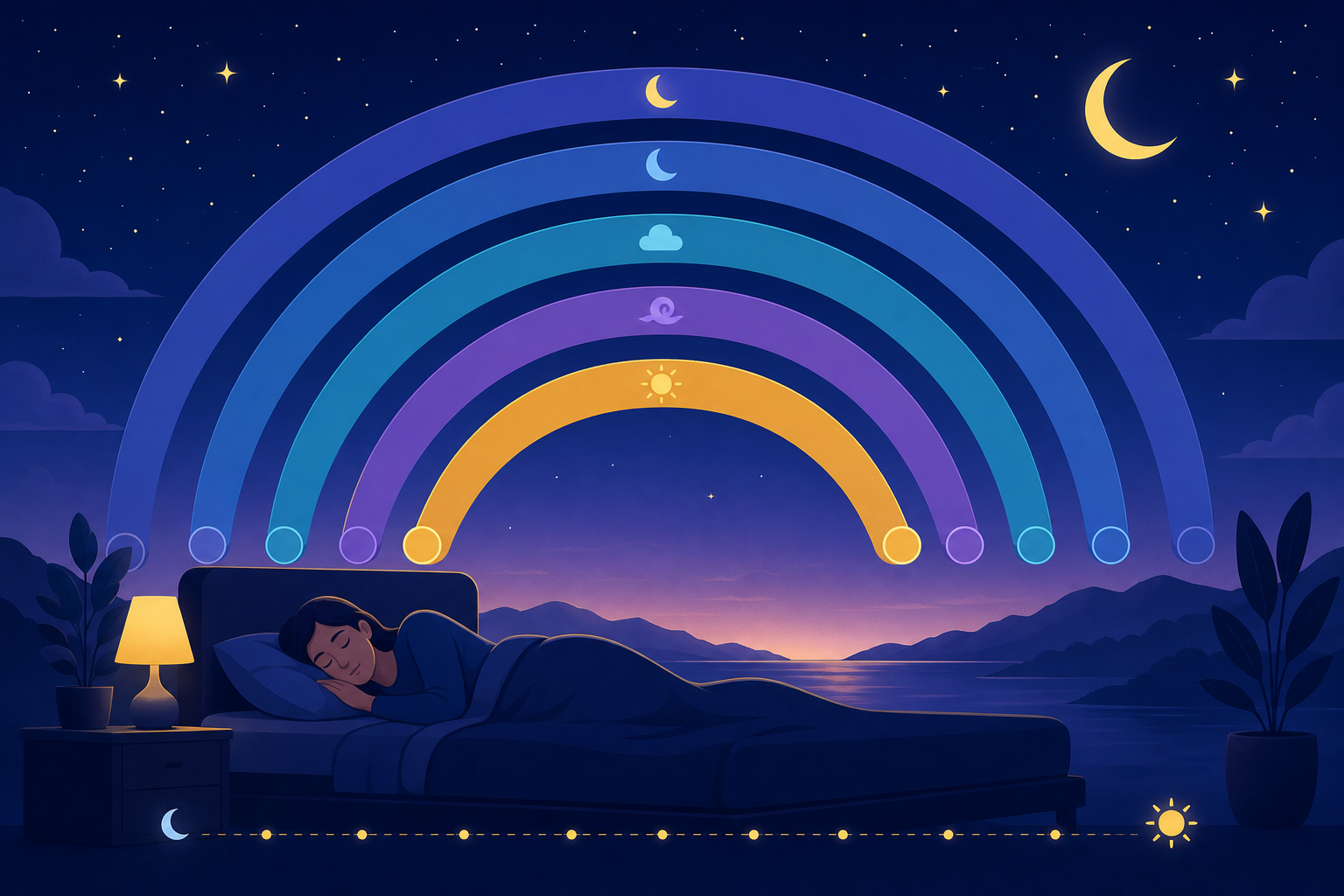
Alcohol can make you feel sleepy and may shorten the time it takes to fall asleep, but it usually reduces sleep quality. As the body processes alcohol, sleep often becomes lighter and more fragmented, with increased waking during the second half of the night. Alcohol can also alter REM sleep, worsen snoring and relax airway muscles, potentially aggravating sleep apnea. It may increase the need to urinate and contribute to dehydration or morning headaches. The larger the amount and the closer it is consumed to bedtime, the greater the likely disruption. Using alcohol as a sleep aid can create an unhealthy pattern and does not provide restorative sleep. Reducing evening alcohol or finishing several hours before bed may improve sleep quality.
Use the Sleep Cycle Calculator to find the exact bedtime or wake-up time for you.
Try the Calculator →